

How Young (and newer) Trial Lawyers Can Obtain 8-Figure Verdicts
Hint: You don’t need to reinvent the wheel
It starts with extremely hard work and relentless preparation. In a case you know is ripe for trial, you need to take dead aim on those cases and prepare far in advance of the actual trial date. I’m talking years in advance.
How do you know when a case is ripe for trial? Apply the golden rule to yourself. Ask what full justice would look like if it were you—or someone you love—who was injured, maimed, or killed due to another’s negligence. If the defense is not willing to discuss settlement within that valuation range, it’s time to prepare for trial.
I begin working on my opening statement more than a year before trial. The opening is the blueprint for the entire case. I use it to anticipate every defense argument, identify every bad fact, and place those facts in their proper context. Bad facts cannot be ignored. They must be owned—and when handled correctly, they often become strengths that enhance credibility and trust with jurors.
This lecture is not about shortcuts. It is about understanding that eight-figure verdicts are attainable when cases are built with intention and discipline from day one. You must understand your client’s human story and develop a connection with them as soon as possible.
In this one-hour session, we will break down the habits, mindset, and trial-focused strategies that young trial lawyers can adopt now to dramatically increase the ceiling on their cases. The focus will be on building cases the right way—long before voir dire—so that large verdicts feel earned, justified, and inevitable to a jury.
Topics covered will include:
- Identifying the cases worth trying and learning when to stop treating a case like a settlement file and start treating it like a trial
- Early case framing: how themes, language, and storytelling choices made at intake and discovery drive verdict size
- Owning bad facts without apologizing for them—and using them to build credibility and trust with jurors
- Asking for help and cultivating mentorships. Much of my success is owed to mentors like Nick Rowley, Courtney Rowley, and Jakob Norman. Even the best trial lawyers of our generation are willing—eager, even—to help the next wave of advocates
- Preparing opening statements far in advance and using them as a roadmap for discovery, depositions, and witness preparation
- Trying the case before trial: focus group, practice, rehearse, and spend meaningful time with your client.
- Consistency of message from voir dire through closing, so jurors feel guided—not persuaded
- The mental shift young lawyers must make to stop asking “what’s reasonable” and start asking “what is full justice?”
Real cases will be used to show how “ordinary” cases become extraordinary results when handled with intention and discipline.
This lecture is designed for trial lawyers who are ready to stop waiting for the “perfect case” and start building cases capable of producing eight-figure outcomes
TLU Live HB Agenda

Track 1
Breakfast
7:30am - 9:30am
Hosted by
- 9:00a

 Raquel GomesThe Freedom Formula: How to Scale with Offshore Staff
 Coffee & Snacks
Hosted by- 10:15a
 Jason WaechterMotorcycles 101: Handling Your First Motorcycle Injury Case with Confidence
 Coffee & Snacks
Hosted by- 11:30a
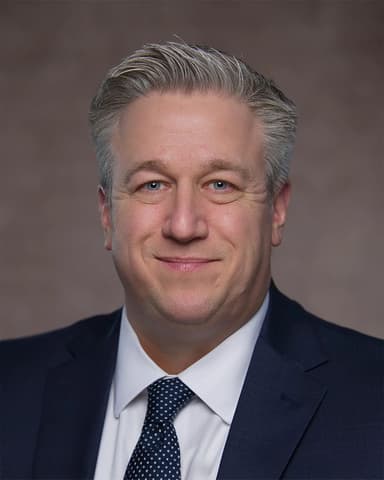
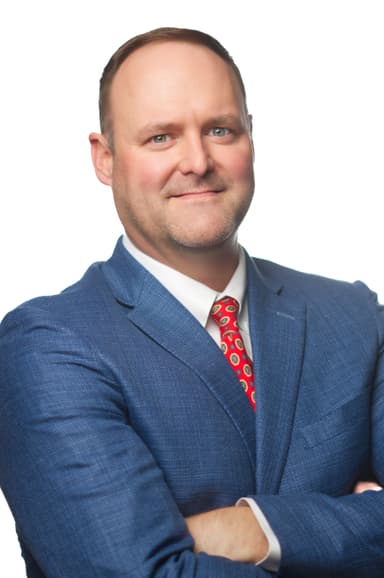
 Brandon YoshaHow Young (and newer) Trial Lawyers Can Obtain 8-Figure Verdicts
 Lunch
Sponsored by- 2:00p

 Randall Sorrels · Eric Gerard The Law Firm Launchpad: Build It, Brand It, Bloom It
 Coffee & Snacks
Hosted by- 3:15p
 Kurt ZanerVoir Dire in 30 minutes or less
 Coffee & Snacks
Hosted by- 4:30p
 John RomanoONOMATOPOEIA —The Sound of The Case—Before The “BAM” & After The “ OUCH”—Focussing on the Soundtrack of the Case to Crystallize Liability & To Enhance the Damages

Track 2
Breakfast
7:30am - 9:30am
Hosted by- 9:00a

 Ben B. Rubinowitz · Michael Kelly Lecture
 Coffee & Snacks
Hosted by- 10:15a
 Taylor AsenBargaining with the Devil: How to Settle without Leaving Money on the Table
 Coffee & Snacks
Hosted by- 11:30a
 Al Foeckler · Brett A. Eckstein Black Hat Justice Direct Examination – 10 Tips for Effective Direct Examination
 Lunch
Sponsored by- 2:00p
 Jerry BowmanLecture
 Coffee & Snacks
Hosted by- 3:15p
 Kimball JonesLecture
 Coffee & Snacks
Hosted by- 4:30p
 Dirk DerrickLecture
Track 3
Breakfast
7:30am - 9:30am
Hosted by- 9:00a

 Sach Oliver · Edward Ciarimboli · Phillip MillerAdvanced Deposition Strategy and Tactics
 Coffee & Snacks
Hosted by- 10:15aSach Oliver · Edward Ciarimboli · Phillip MillerAdvanced Deposition Strategy and Tactics
Coffee & Snacks
Hosted by- 11:30aSach Oliver · Edward Ciarimboli · Phillip MillerAdvanced Deposition Strategy and Tactics
Lunch
Sponsored by- 2:00pSach Oliver · Edward Ciarimboli · Phillip MillerAdvanced Deposition Strategy and Tactics
Coffee & Snacks
Hosted by- 3:15pSach Oliver · Edward Ciarimboli · Phillip MillerAdvanced Deposition Strategy and Tactics
Coffee & Snacks
Hosted by- 4:30pSach Oliver · Edward Ciarimboli · Phillip MillerAdvanced Deposition Strategy and Tactics

Track 4
Breakfast
7:30am - 9:30am
Hosted by- 9:00a
 Chris HammonsLecture
 Coffee & Snacks
Hosted by- 10:15a
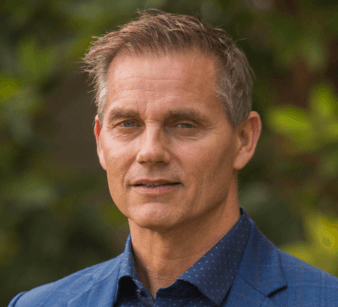 Dan AmbroseTLU Voir Dire
 Coffee & Snacks
Hosted by- 11:30a
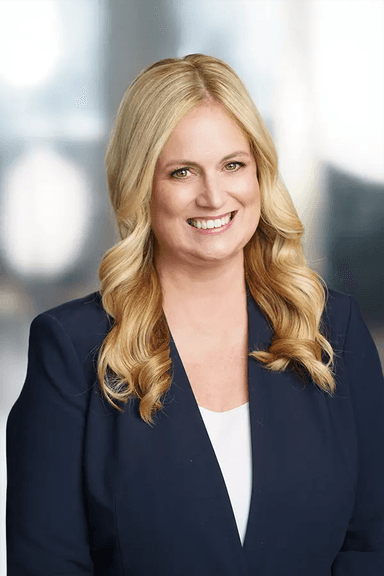
 Jennifer Russell · Michael Sanchez Lecture
 Lunch
Sponsored by- 2:00p
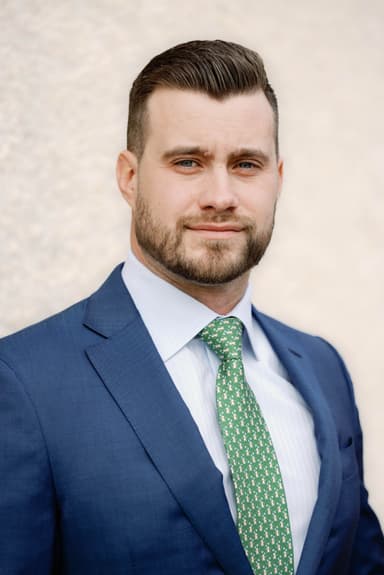 Corey SudaHandling and Trying Your First Trucking Case
 Coffee & Snacks
Hosted by- 3:15p
 Sagi ShakedLecture
 Coffee & Snacks
Hosted by- 4:30p

 Michael Karp · Robert Welcenbach Winning Systems for Trial